


Precision Selection of SKF Bearings: A Straight Path to Success
In the realm of mechanical engineering and industrial applications, bearings play a pivotal role in ensuring the smooth and efficient operation of machinery. SKF, a renowned global leader in bearing technology, offers a comprehensive range of high - quality bearings that cater to diverse industrial needs. However, to fully leverage the benefits of SKF bearings and avoid costly mistakes, precision in the selection process is of utmost importance. This article aims to guide you through the key considerations and steps for accurately selecting SKF bearings, enabling you to achieve optimal performance and minimize the risk of going down the wrong path.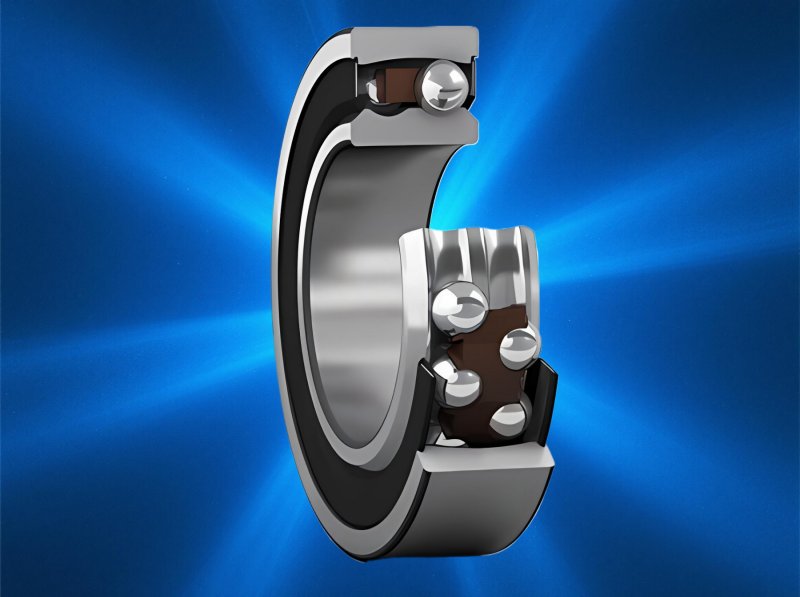
Understanding Your Application Requirements
The first and most crucial step in SKF bearing selection is a deep understanding of your specific application requirements. This involves analyzing various factors such as the type of load (radial, axial, or combined), load magnitude, rotational speed, operating temperature, and environmental conditions.
For example, in a high - speed rotating application like a turbine, bearings need to be able to handle high speeds without excessive friction and heat generation. SKF offers bearings specifically designed for high - speed applications, with features such as optimized internal geometries and advanced lubrication systems. On the other hand, in heavy - duty machinery subjected to high radial and axial loads, such as mining equipment, bearings with robust designs and high load - carrying capacities are required. SKF\'s spherical roller bearings are well - suited for such applications, as they can accommodate misalignments and heavy loads simultaneously.
Bearing Types and Their Characteristics
SKF manufactures a wide variety of bearing types, each with its own unique characteristics and advantages. Some of the most common bearing types include deep - groove ball bearings, cylindrical roller bearings, tapered roller bearings, and angular contact ball bearings.
Deep - groove ball bearings are the most versatile and widely used type. They are suitable for both radial and axial loads and can operate at high speeds. Cylindrical roller bearings, on the other hand, are designed primarily for radial loads and offer high load - carrying capacities. Tapered roller bearings can handle both radial and axial loads and are often used in applications where precise axial positioning is required, such as in automotive wheel hubs. Angular contact ball bearings are designed to handle combined radial and axial loads and are commonly used in machine tool spindles.
By understanding the characteristics of different bearing types, you can match them to the specific requirements of your application. SKF provides detailed technical documentation for each bearing type, including load ratings, speed limits, and dimensional specifications, which are invaluable resources during the selection process.
Material and Heat Treatment
The material and heat treatment of SKF bearings also significantly impact their performance and lifespan. SKF bearings are typically made from high - quality bearing steels, such as through - hardened and case - hardened steels. Through - hardened steels offer high strength and wear resistance, while case - hardened steels provide a hard outer surface for wear resistance and a tough inner core for impact resistance.
Heat treatment processes, such as quenching and tempering, are used to optimize the mechanical properties of the bearing material. Proper heat treatment ensures that the bearing has the right balance of hardness, toughness, and fatigue resistance. For applications in harsh environments or with high - stress conditions, SKF may also offer bearings made from special materials, such as stainless steels for corrosion resistance or ceramic materials for high - speed and low - friction applications.
Lubrication and Sealing
Lubrication is essential for the smooth operation and longevity of SKF bearings. SKF offers a range of lubrication solutions, including greases and oils, each formulated for specific applications. The choice of lubricant depends on factors such as operating temperature, speed, and load. For example, high - temperature applications may require synthetic greases with good thermal stability, while high - speed applications may benefit from low - viscosity oils.
Sealing is equally important as it protects the bearing from contaminants such as dust, water, and debris. SKF offers various types of seals, including contact seals and non - contact seals. Contact seals provide a tight barrier against contaminants but may generate more friction, while non - contact seals offer lower friction but may not be as effective in extremely dirty environments. Selecting the appropriate lubrication and sealing system for your SKF bearings is crucial for maintaining their performance and preventing premature failure.
Working with SKF Experts
SKF has a team of highly experienced engineers and technical experts who can provide valuable assistance during the bearing selection process. Whether you are a novice or an experienced engineer, consulting with SKF experts can help you avoid common pitfalls and make the most informed decisions. They can analyze your application requirements, recommend the most suitable bearing types, materials, and lubrication solutions, and even offer on - site support if needed.
In conclusion, precision in SKF bearing selection is the key to ensuring the reliable and efficient operation of your machinery. By thoroughly understanding your application requirements, familiarizing yourself with different bearing types, considering material and heat treatment, choosing the right lubrication and sealing systems, and working with SKF experts, you can avoid the 弯路 and select the perfect SKF bearings for your specific needs. This not only enhances the performance and lifespan of your equipment but also reduces maintenance costs and downtime, ultimately leading to greater productivity and profitability in your industrial operations.


